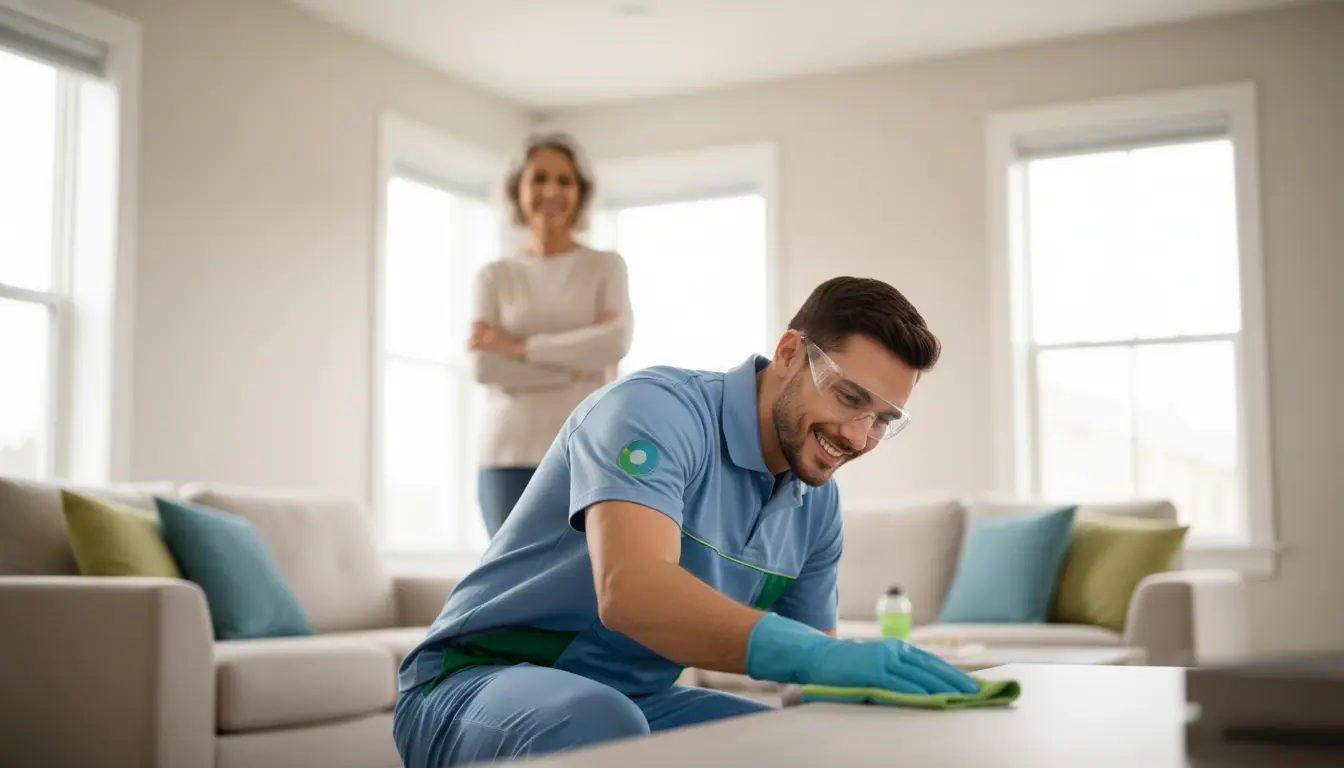
Contrary to popular belief, the majority of biohazard cleanup efforts in urban environments like Chicago, IL, are not handled by law enforcement or municipal agencies, but rather by specialized private companies. These companies, such as Chicago Crime Scene Cleanup, possess the necessary expertise, equipment, and certifications to safely and effectively remediate trauma scenes, restoring properties to a safe and habitable condition. The presence of bloodborne pathogens in these environments poses significant risks to both human health and the structural integrity of buildings, underscoring the critical need for professional intervention.
The city’s dense population, extreme seasonal temperature shifts, and diverse architectural landscape (including high-rise apartments and historic brick walk-ups) create a unique set of challenges for biohazard remediation. For instance, the rapid decomposition of biological materials in warmer months can accelerate the spread of pathogens, while the cold winters may slow this process but also introduce issues related to freezing and thawing that can damage structural materials. Furthermore, local municipal waste disposal regulations and the specific structural materials common in Chicagoland properties must be considered to ensure compliance and effectiveness.
Given these complexities, it is essential for property owners and managers in Chicago to understand the importance of engaging professional biohazard cleanup services. Chicago Crime Scene Cleanup, with its extensive experience and adherence to OSHA, EPA, and IICRC standards, is uniquely positioned to address the biohazard remediation needs of the community. Their expertise encompasses a broad range of services, including Biohazard Cleanup Services, Unattended Death Cleanup, and Trauma Aftermath Cleanup, highlighting their capability to handle diverse biohazard scenarios.
Technical Process of Biohazard Remediation
The process of biohazard remediation is meticulous and involves several critical steps to ensure the safe and thorough removal of biological contaminants. It begins with a comprehensive site assessment to identify all areas of contamination, followed by the establishment of a containment zone to prevent the spread of pathogens to unaffected areas. This is particularly crucial in densely populated urban environments like Chicago, where the risk of cross-contamination is heightened.
Structural containment is achieved through the use of plastic sheeting and negative air machines equipped with HEPA filters, which are capable of capturing 99.97% of particles as small as 0.3 microns, including dust, pollen, and other airborne pathogens. The next step involves the removal of all biological materials, which is typically performed using personal protective equipment (PPE) to protect the remediation team from exposure. After removal, the area is subjected to hospital-grade disinfection, with solutions that are EPA-registered and proven effective against a broad spectrum of pathogens.
ATP (adenosine triphosphate) testing is then conducted to verify the efficacy of the disinfection process. ATP is a molecule found in all living cells and is a reliable indicator of biological contamination. By measuring ATP levels on surfaces before and after cleaning, technicians can confirm whether an area has been properly disinfected. This step is crucial for ensuring that the remediation efforts have successfully eliminated bloodborne pathogens and other biological hazards.
Data Comparison
A critical aspect of understanding the importance of professional biohazard remediation is comparing it to standard janitorial cleaning practices. The following table highlights key differences in the effectiveness and compliance of these two approaches:
| Feature/Metric | Professional Biohazard Remediation | Standard Janitorial Cleaning |
|---|---|---|
| Pathogen Elimination | 99.99%+ with proper use of disinfectants and protocols | Variable, often much lower due to lack of specialized equipment and training |
| Odor Neutralization | Complete elimination through use of ozone generators and enzymatic cleaners | Potential for lingering odors, especially if biological materials are not fully removed |
| Legal Compliance (OSHA/EPA) | Full compliance with all relevant regulations and standards | Risk of non-compliance due to lack of knowledge or adherence to protocols |
Source: OSHA Bloodborne Pathogens Standard
Expert Insights
Several key factors contribute to the success of a biohazard remediation effort. First, the setup of containment zones is critical to prevent cross-contamination. This involves sealing off the affected area from the rest of the structure using plastic sheeting and tape, and deploying negative air machines to filter out airborne pathogens. Second, assessing the porosity of structural materials is essential for determining the extent of fluid penetration and the necessary depth of remediation. For example, porous materials like carpet and drywall may need to be removed and replaced if contaminated, whereas non-porous surfaces can often be disinfected in place.
Common mistakes made by property owners include attempting to clean biological spills with standard household bleach, which can react with proteins in blood to create harmful compounds, and failing to properly dispose of hazardous waste, which can lead to legal and health issues. Additionally, neglecting to remove contaminated subflooring or insulation can result in the lingering presence of pathogens, putting occupants at risk of infection and necessitating further remediation efforts.
Pricing Considerations
The cost of biohazard remediation services can vary widely depending on several factors, including:
- The volume of biological material present, which affects the amount of time, equipment, and disposal required.
- The extent of structural penetration, such as whether fluids have seeped into subfloors or behind walls, requiring more extensive remediation.
- Hazardous waste disposal fees, which can be significant due to the need for specialized handling and processing.
- The time required for full odor neutralization, which may involve additional treatments or the use of specialized equipment like ozone generators.
Safety and Standards
Safety is paramount in biohazard remediation, with technicians required to wear PPE, including gloves, gowns, face shields, and respirators, to prevent exposure to pathogens. The use of EPA-registered disinfectants ensures that the products used are effective against a wide range of pathogens, including bloodborne pathogens like HIV and hepatitis. Adherence to OSHA Bloodborne Pathogen Standards and IICRC certifications guarantees that the remediation process is conducted in accordance with the highest industry standards, protecting both the technicians and future occupants of the property.
Frequently Asked Questions
What is the difference between biohazard remediation and standard cleaning?
Biohazard remediation is a specialized process designed to safely and effectively remove biological contaminants from an environment, restoring it to a safe condition. This is distinct from standard cleaning, which may not address the unique risks posed by biological hazards and may not comply with relevant health and safety regulations.
How long does the biohazard remediation process take?
The duration of biohazard remediation can vary significantly depending on the extent of the contamination, the size of the affected area, and the complexity of the remediation required. In some cases, the process may be completed within a few hours, while more extensive scenarios may require several days or even weeks to ensure thorough decontamination and safety.
Is biohazard remediation covered by insurance?
Many property insurance policies cover biohazard remediation under certain conditions, such as in the event of a crime scene or accidental death. However, coverage can vary widely depending on the specific policy and the circumstances of the incident. It is essential to review your policy or consult with your insurance provider to understand what is covered.
Can I perform biohazard remediation myself?
Conclusion
In conclusion, the safe and effective handling of bloodborne pathogens in biohazard cleanup scenarios is a complex process that requires specialized knowledge, equipment, and adherence to strict health and safety standards. Given the risks associated with biological contaminants and the importance of restoring properties to a safe and habitable condition, it is crucial for property owners in Chicago, IL, to engage professional biohazard remediation services. For those seeking reliable, compassionate, and expert biohazard cleanup services in Chicago, Chicago Crime Scene Cleanup stands as a trusted and authoritative provider, committed to delivering exceptional service and peace of mind to the community.
By choosing professional biohazard remediation, individuals can ensure that their properties are thoroughly decontaminated, reducing the risk of infection and liability. Moreover, professional services like those offered by Chicago Crime Scene Cleanup provide a comprehensive approach to biohazard cleanup, addressing not only the immediate health risks but also the long-term structural integrity of the property. For anyone facing the challenges of biohazard contamination, reaching out to a trusted and experienced service provider is the first step towards restoring safety, health, and tranquility to their environment.